
What Does Melatonin Do, and How Does It Work?
Understanding your body’s natural sleep hormone—and how to use it wisely
We’ve all heard of melatonin. It’s that little supplement everyone seems to reach for when they’re battling jet lag, struggling with sleep, or just tossing and turning at night. But what exactly is melatonin? Is it just a sleep aid? Is it safe? And how does it really work in your body?
Whether you’re curious about how melatonin affects your sleep or considering taking it yourself, this guide breaks down everything you need to know—how it functions, when it helps, when it doesn’t, and how to use it effectively.
🌙 What Is Melatonin?
Melatonin is a natural hormone your brain produces in response to darkness. It’s often called the “sleep hormone” because it plays a crucial role in regulating your circadian rhythm—your body’s internal clock that tells you when it’s time to sleep and when it’s time to wake up.
Melatonin isn’t a sedative that knocks you out. Instead, it signals to your body that it’s time to wind down, helping you fall asleep more easily.
🧠 Where Is It Made?
Melatonin is produced in a tiny part of your brain called the pineal gland, which responds to the amount of light you’re exposed to. As night falls and it gets dark, your brain increases melatonin production. In the morning, when the sun comes up and your eyes sense light, production drops off and you feel more alert.
🔁 How Does Melatonin Work in the Body?
Melatonin works like a messenger between your brain and your body. Its main job is to help regulate your sleep-wake cycle, also known as your biological clock.
Here’s how the process usually goes:
- Sunset hits or lights dim → Your brain detects lower light through your eyes.
- Pineal gland releases melatonin → Blood levels of melatonin rise.
- Body starts slowing down → You feel more relaxed, sleepy, and ready for bed.
- Morning light hits → Melatonin levels drop, and you feel awake again.
This cycle is naturally synced with the day-night rhythm, but it can get disrupted—by things like shift work, jet lag, or too much screen time at night.
💊 What About Melatonin Supplements?

Melatonin is also available as an over-the-counter supplement. These synthetic versions mimic the natural hormone and are commonly used to help people fall asleep faster, especially in situations where their circadian rhythm is off.
Melatonin supplements come in several forms:
- Tablets or capsules
- Gummies
- Liquids or sprays
- Extended-release versions (slowly release melatonin over several hours)
The most common doses range from 0.3 mg to 5 mg, although some brands offer higher options. But more isn’t always better—and in many cases, a low dose works just as well as a high one.
💤 What Melatonin Is Most Commonly Used For

✔️ Jet Lag
Traveling across time zones? Melatonin can help reset your internal clock to the new local time. It’s especially helpful when flying eastward, where you lose time.
✔️ Shift Work Sleep Disorder
If you work late shifts or overnight, your natural sleep rhythm may be completely flipped. Melatonin can help you sleep during the day and adjust to changing shifts.
✔️ Delayed Sleep Phase Syndrome (DSPS)
People with DSPS feel sleepy very late—like 2 or 3 a.m.—and have trouble waking in the morning. Melatonin, taken at the right time in the evening, can help shift their schedule earlier.
✔️ Insomnia
Melatonin won’t fix chronic insomnia, but it may help people who struggle with sleep onset (falling asleep). It can be especially useful for older adults, whose natural melatonin production declines with age.
✔️ Children with Sleep Issues
For kids with ADHD, autism spectrum disorder, or certain developmental disorders, melatonin may improve sleep quality. But it should always be used under a doctor’s supervision.
⚠️ When Melatonin Might Not Help
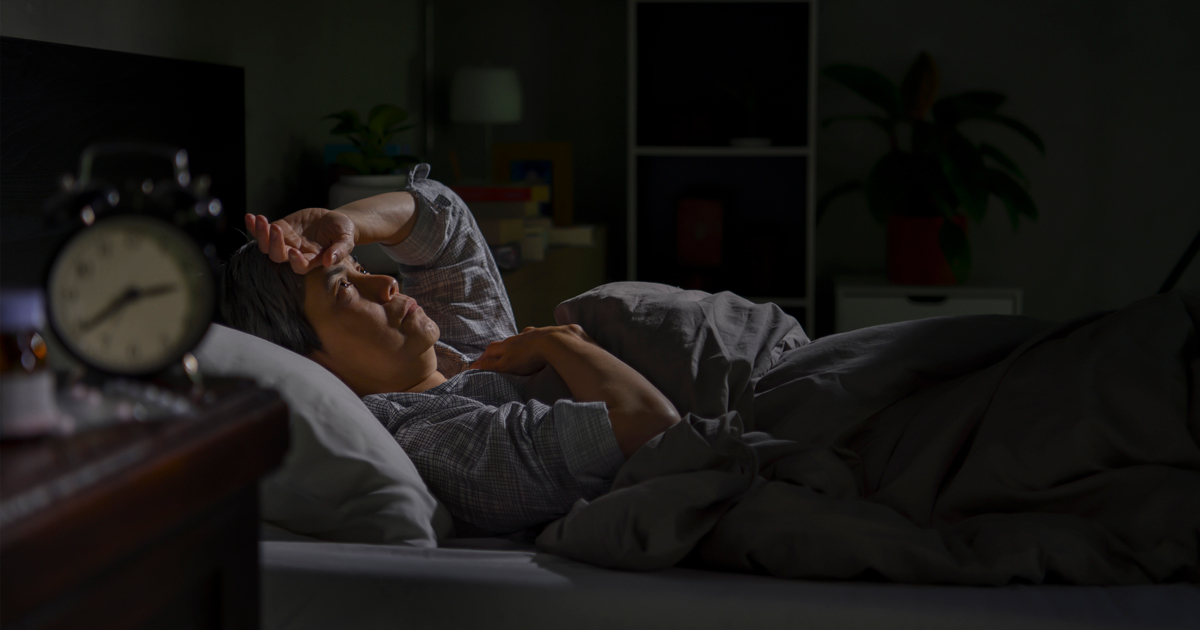
Melatonin isn’t a magic fix for all sleep problems. It works best when your internal clock is off—but not always if other things are interfering with your sleep.
It may not work well if:
- You’re drinking caffeine late in the day
- You’re using screens right before bed
- You’re highly stressed or anxious
- You’re experiencing pain or other medical conditions
- You’re expecting it to “knock you out” like a sleeping pill
Think of melatonin more like a signal booster than a sleeping pill. It supports your body’s natural wind-down process, but it won’t override poor habits.
🧠 Melatonin and Brain Health
Recent studies are exploring whether melatonin may play a broader role in:
- Mood regulation
- Antioxidant protection in the brain
- Reducing neuroinflammation
- Supporting immune function
Although promising, these uses are still being researched and not fully proven for everyday supplementation.
🧪 Is Melatonin Safe?
For short-term use, melatonin is generally considered safe and non-addictive. It doesn’t suppress your natural melatonin production, and most people don’t experience dependency.
However, some people may notice side effects like:
- Morning grogginess or feeling “hungover”
- Vivid dreams or nightmares
- Headaches
- Nausea
- Irritability or mood swings (less common)
Children, pregnant women, and people with certain medical conditions should consult a healthcare provider before using melatonin regularly.
⏰ Timing and Dosage: How to Use Melatonin Effectively

✅ Best Practices:
- Take it 30 to 60 minutes before bedtime
- Start with the lowest dose possible (0.5 mg to 1 mg)
- Avoid bright screens and overhead lights when taking it
- Stay consistent with timing if using it for jet lag or shift work
🔁 Common Mistake:
Taking melatonin too late—like right before bed or after tossing and turning for hours—can reduce its effectiveness. Melatonin is most effective when taken before your body’s natural melatonin would kick in, not after.
Table of Contents
📚 FAQs: Melatonin, Explained
Q: Is melatonin addictive?
A: No. Melatonin doesn’t create dependence, and your body won’t become “lazy” about producing it naturally.
Q: Can I take melatonin every night?
A: It’s safe for short-term use. Long-term use should be discussed with a healthcare provider, especially if you’re using it daily.
Q: Will melatonin knock me out instantly?
A: No. It promotes natural drowsiness but doesn’t act like a sleeping pill. Don’t expect it to “force” you to sleep.
Q: What if I wake up in the middle of the night? Should I take another dose?
A: Usually, no. Taking more melatonin in the middle of the night may make you groggy the next day. Instead, focus on calming techniques like deep breathing.
Q: Can I take melatonin with other medications?
A: Melatonin can interact with certain medications, like blood thinners, antidepressants, or birth control. Always check with your doctor or pharmacist.
Q: Do melatonin gummies work the same as pills?
A: Yes, as long as the dosage is accurate. Just watch for added sugars or ingredients if you’re taking gummies.
🌅 Natural Ways to Boost Your Own Melatonin Production
Before jumping into supplements, consider these natural strategies to support your body’s melatonin production:
☀️ Get Morning Sunlight
Light exposure early in the day helps set your body’s clock and boosts melatonin production later that night.
🌙 Dim Lights at Night
Turn off bright overhead lights in the evening. Use lamps, candles, or amber-toned lights to signal bedtime is approaching.
📵 Limit Screen Time Before Bed
Blue light from phones, tablets, and TVs suppresses melatonin. Try cutting off screen time at least 1 hour before bed.
🍒 Eat Melatonin-Rich Foods
Certain foods may naturally boost melatonin:
- Tart cherries
- Walnuts
- Tomatoes
- Oats
- Bananas
- Milk
- Eggs
🛏️ Stick to a Consistent Sleep Schedule
Going to bed and waking up at the same time every day helps regulate melatonin cycles and improve sleep quality.
🧭 Final Thoughts: What Melatonin Can—and Can’t—Do
Melatonin is an amazing tool—but it works with your body, not for it. It won’t fix chronic insomnia or override poor habits, but it can support better sleep when used properly and in the right context.
Whether you’re dealing with jet lag, night shifts, or occasional sleeplessness, melatonin can be a helpful ally—especially when paired with good sleep hygiene and a calming bedtime routine.
Here’s the big takeaway:
- Melatonin helps your body know when it’s time to sleep, not necessarily make you sleep.
- It’s best for resetting your internal clock—not as a daily go-to for insomnia.
- Start small, use it strategically, and let your natural rhythm take the lead.