

A Delicious Guide to Supporting Your Heart, One Bite at a Time
Let’s be honest—when you hear the term “heart-healthy diet,” you probably picture bland meals and boring salads. But it doesn’t have to be that way. Eating for your heart doesn’t mean sacrificing flavor. In fact, the best foods for cardiovascular health are not only delicious but packed with powerful nutrients your body will love.
Whether you’re trying to lower cholesterol, reduce blood pressure, prevent heart disease, or just feel better day-to-day, your diet plays a massive role. The good news? There are tons of tasty options that support your heart and keep things interesting at mealtime.

Let’s dig into 17 of the most heart-friendly foods to work into your routine—and why they’re worth making space for on your plate.
🐟 1. Fatty Fish (Salmon, Mackerel, Sardines)
Fatty fish are loaded with omega-3 fatty acids, which help lower triglycerides, reduce inflammation, and improve the overall function of your blood vessels.
Why It’s Great:
- Helps lower risk of heart rhythm issues
- Reduces plaque buildup in arteries
- High in protein, low in saturated fats
💡 Tip: Aim for two servings per week, grilled or baked instead of fried.
🥬 2. Leafy Greens (Spinach, Kale, Swiss Chard)
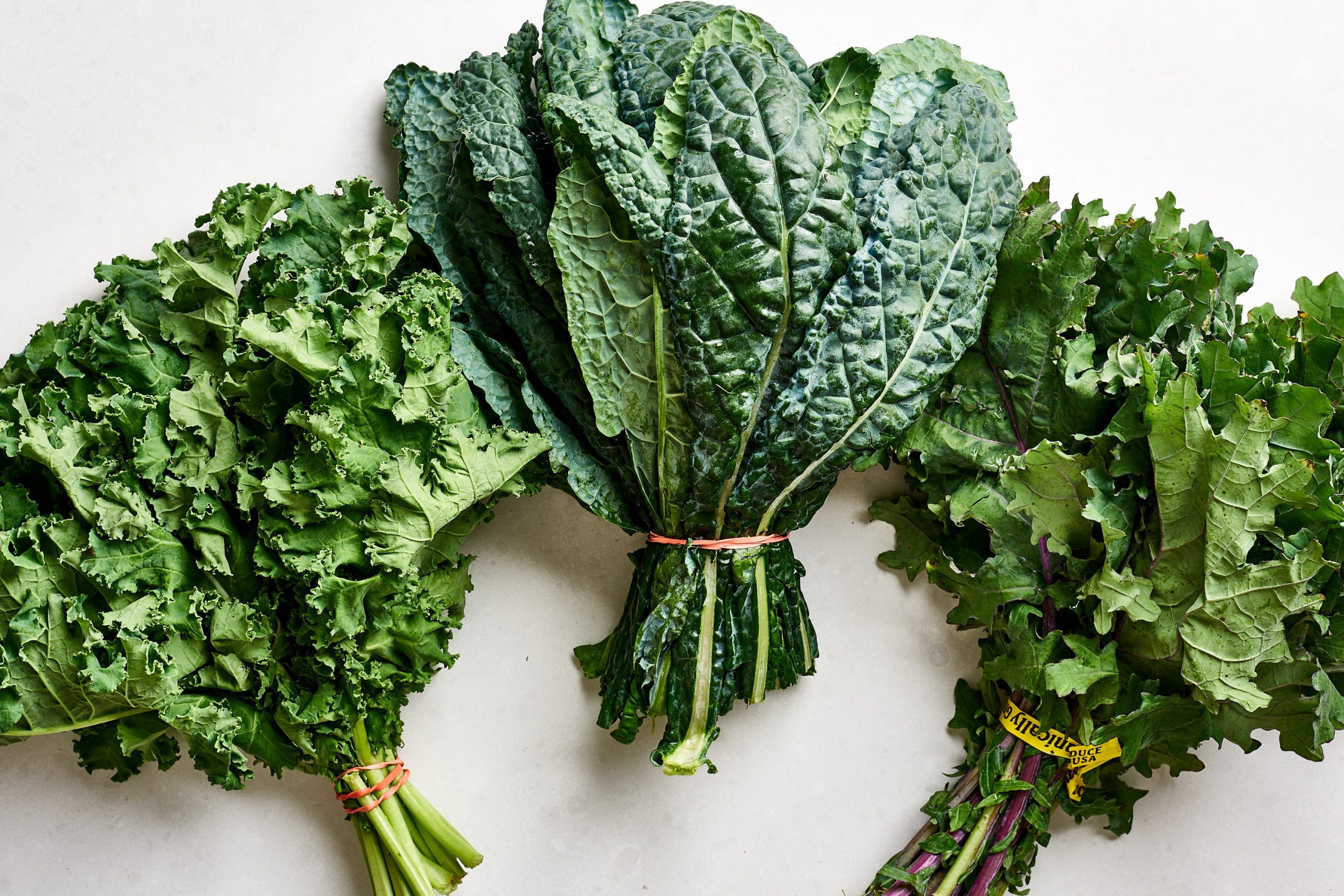
Dark, leafy greens are rich in vitamins, minerals, and antioxidants—especially vitamin K, which helps protect arteries and improve blood flow.
Why It’s Great:
- High in nitrates (help lower blood pressure)
- Anti-inflammatory
- Fiber-packed
💡 Tip: Toss them in smoothies, soups, or sauté them with garlic and olive oil.
🫐 3. Berries (Blueberries, Strawberries, Raspberries)
Berries are antioxidant powerhouses. They’re particularly high in anthocyanins, which are linked to lower blood pressure and reduced risk of heart attacks.
Why It’s Great:
- Fight oxidative stress
- May reduce LDL cholesterol (bad cholesterol)
- Naturally sweet with no added sugar
💡 Tip: Add to oatmeal, yogurt, or snack on them solo.
🥑 4. Avocados
This creamy green fruit is high in monounsaturated fats, which help lower LDL cholesterol and raise HDL (good cholesterol).
Why It’s Great:
- Rich in potassium—great for blood pressure
- Full of fiber and healthy fats
- Satisfying and filling
💡 Tip: Spread on toast, toss into salads, or add to smoothies for creaminess.
🫒 5. Extra Virgin Olive Oil
:max_bytes(150000):strip_icc()/evoo-7c819bcdd0c343a7bae114cbc9baea2f.jpg)
One of the cornerstones of the Mediterranean diet, olive oil is rich in antioxidants and monounsaturated fats, both linked to better heart health.
Why It’s Great:
- Anti-inflammatory
- Helps reduce cholesterol
- Protects blood vessel health
💡 Tip: Use it as a salad dressing base, drizzle on veggies, or cook at low to medium heat.
🥜 6. Walnuts
Walnuts are particularly high in ALA (alpha-linolenic acid)—a plant-based omega-3 fatty acid that’s linked to improved heart function.
Why It’s Great:
- Reduces inflammation
- Lowers LDL cholesterol
- Improves blood vessel flexibility
💡 Tip: Snack on them raw, mix into oatmeal, or use as a salad topper.
🫘 7. Beans and Lentils
Beans, lentils, and legumes are fiber superstars. They help regulate cholesterol, support steady blood sugar, and provide plant-based protein.
Why It’s Great:
- Soluble fiber binds to cholesterol
- Great meat substitute
- Full of heart-healthy nutrients like magnesium and potassium
💡 Tip: Add them to soups, salads, or make hearty veggie chili.
🍫 8. Dark Chocolate (70% Cocoa or Higher)
:max_bytes(150000):strip_icc()/faw-primary-dark-chocolate-bars-rkilgore-1461-36c6857cdfdf41b1b0e1e76fb7a337a0.jpeg)
In moderation, dark chocolate can benefit the heart thanks to its flavonoids—antioxidants that improve blood flow and reduce blood pressure.
Why It’s Great:
- May reduce risk of coronary artery disease
- Improves nitric oxide levels
- Satisfies a sweet tooth without excess sugar
💡 Tip: Stick to a square or two a day and opt for 70% cocoa or higher.
🥜 9. Almonds
Like walnuts, almonds are a great source of healthy fats, fiber, and magnesium—a combo that supports steady blood pressure and healthy cholesterol levels.
Why It’s Great:
- Helps reduce belly fat
- Improves HDL cholesterol
- Stabilizes blood sugar
💡 Tip: Enjoy as a snack, sprinkle on salads, or blend into almond butter.
🥕 10. Carrots
Carrots are loaded with beta-carotene and antioxidants that fight free radicals and help maintain artery health.
Why It’s Great:
- Low in calories, high in nutrients
- Anti-inflammatory
- Great for snacking or juicing
💡 Tip: Eat raw with hummus or roast with herbs for a sweet-savory side.
🍅 11. Tomatoes

Rich in lycopene, tomatoes help lower inflammation and improve endothelial function (the inner lining of blood vessels).
Why It’s Great:
- Powerful antioxidant properties
- Helps reduce oxidative damage
- Good source of potassium
💡 Tip: Cooked tomatoes (like in sauce) enhance lycopene absorption!
🧄 12. Garlic
Garlic’s active compound, allicin, has been shown to lower blood pressure and cholesterol—making it a tiny but mighty heart food.
Why It’s Great:
- Helps widen blood vessels
- Lowers blood pressure
- Natural immune booster
💡 Tip: Add minced garlic to stir-fries, soups, or roasted veggies.
🌾 13. Whole Grains (Oats, Brown Rice, Quinoa)
Whole grains are full of soluble fiber, which helps lower LDL cholesterol and improve digestion.
Why It’s Great:
- Keeps you full longer
- Supports healthy gut bacteria
- Lowers heart disease risk
💡 Tip: Choose whole grains over white rice or refined bread whenever possible.
🍎 14. Apples
An apple a day might really keep the doctor away. Apples are high in pectin, a type of soluble fiber that helps lower cholesterol.
Why It’s Great:
- Rich in antioxidants like quercetin
- Helps with blood sugar control
- Easy, portable snack
💡 Tip: Eat the skin—it holds most of the nutrients!
🧃 15. Pomegranate
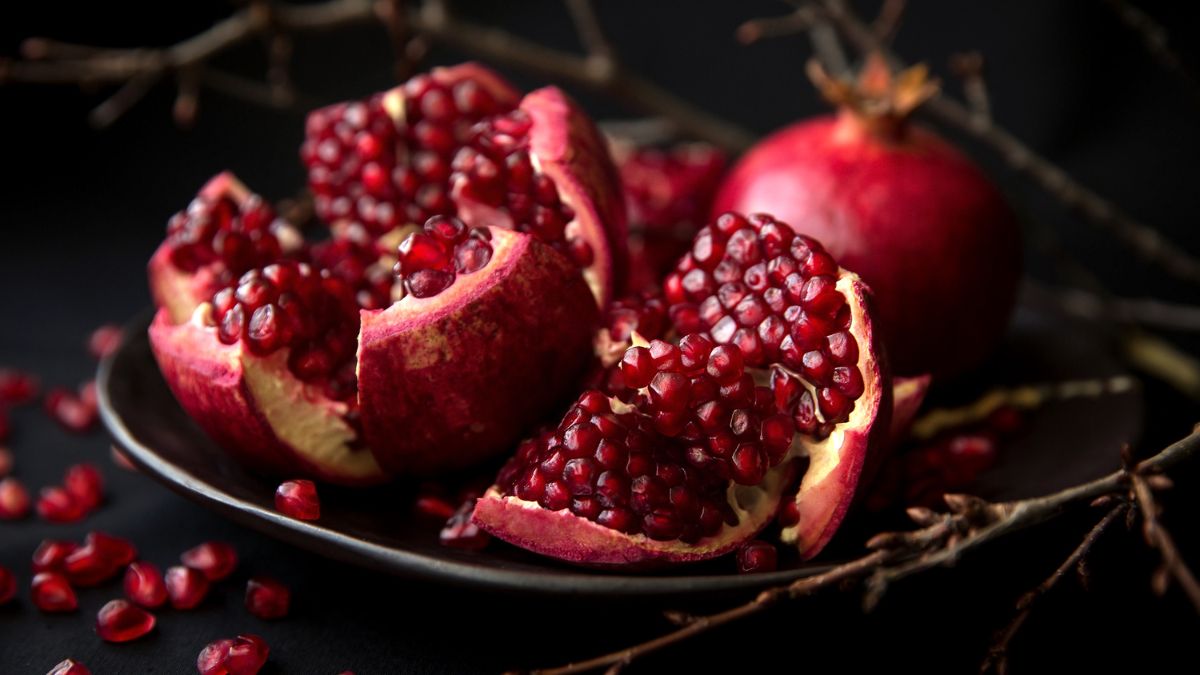
Pomegranate juice is packed with polyphenols, which protect the heart by fighting inflammation and improving blood flow.
Why It’s Great:
- May lower blood pressure
- Antioxidant-rich
- Great source of vitamin C and potassium
💡 Tip: Mix fresh pomegranate seeds into yogurt or salads.
🥝 16. Kiwis
This fuzzy little fruit is bursting with vitamin C, potassium, and antioxidants that help protect your cardiovascular system.
Why It’s Great:
- Helps reduce blood clotting
- Supports blood pressure balance
- Low in calories, high in fiber
💡 Tip: Eat with the skin on for extra fiber—or blend into smoothies.
🧃 17. Green Tea
Okay, it’s not a food, but green tea deserves a spot here. It’s loaded with catechins, a type of antioxidant that improves blood flow and lowers LDL.
Why It’s Great:
- Supports healthy cholesterol levels
- May improve artery flexibility
- Calming and energizing without the crash
💡 Tip: Drink 1–2 cups daily, and skip sweeteners for max benefit.
🧠 Bonus Tips: How to Build a Heart-Healthy Plate Daily
:max_bytes(150000):strip_icc()/EatingWell-7-Day-Heart-Healthy-Meal-Plan-Primary-3x2-50334515d7224b888308785a1bb2b4f6.jpg)
- 🌈 Eat the rainbow: More color means more antioxidants and phytonutrients.
- 🧂 Limit sodium: Too much salt can raise blood pressure. Opt for herbs, lemon, or garlic for flavor.
- 🧈 Choose healthy fats: Ditch the trans fats and limit saturated fats—go for olive oil, nuts, and avocados instead.
- 🍽️ Watch your portions: Even healthy foods add up. Balance is key.
- 🕐 Be consistent: A heart-healthy diet isn’t a quick fix—it’s a lifestyle.
Table of Contents
❓ Frequently Asked Questions
Q: Can these foods really reverse heart disease?
A: While no single food is a cure, a consistent diet filled with heart-healthy options can reduce risk factors, slow disease progression, and improve overall heart function.
Q: How often should I eat these foods?
A: Aim to include several of these foods daily. Try to rotate for variety—your heart (and taste buds) will thank you!
Q: Are there foods I should avoid for heart health?
A: Yes. Minimize:
- Processed meats (bacon, sausage)
- Refined sugars and white carbs
- Deep-fried foods
- Trans fats (often in baked goods or margarine)
Q: Do I need to cut out red meat completely?
A: Not necessarily. Lean, unprocessed red meat in moderation may be okay, especially if you prioritize plant-based proteins most of the time.
Q: Can heart-healthy eating help with weight loss?
A: Absolutely! High-fiber, nutrient-rich foods tend to be more filling and help regulate blood sugar, making it easier to manage weight in the long run.
❤️ Final Thoughts: Nourish Your Heart, One Meal at a Time
You don’t need to overhaul your diet overnight to support your heart—you just need to start somewhere. Swapping processed foods for colorful, nutrient-rich whole foods is one of the most powerful things you can do for your long-term health.
Whether it’s starting your day with oatmeal and berries, snacking on almonds, or adding leafy greens to dinner, these small changes add up.
Remember: food is not just fuel—it’s medicine. And when you treat your body with care, your heart responds in kind.