

A Friendly, In-Depth Guide to Understanding, Managing & Preventing This Silent Threat
Let’s be real—high blood pressure isn’t exactly the most exciting topic. But it is one of the most important ones when it comes to your long-term health.
Often called the “silent killer,” high blood pressure (also known as hypertension) doesn’t usually come with symptoms. You might feel completely fine… until suddenly you’re not. That’s why understanding it, monitoring it, and managing it before it causes damage is absolutely essential.
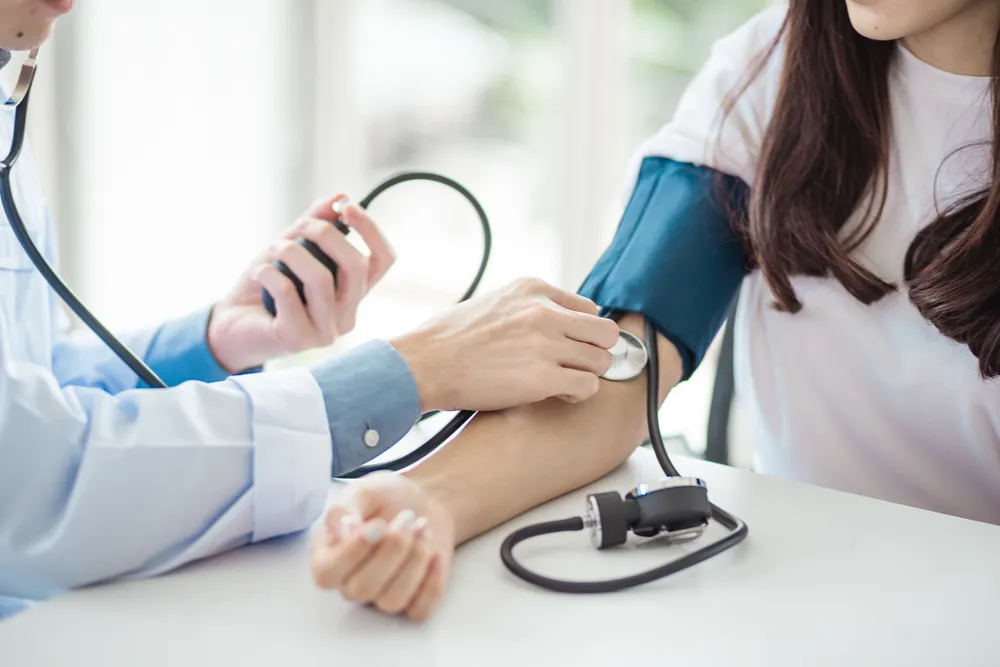
Whether you’ve just been diagnosed, are worried about your numbers creeping up, or simply want to learn more, this guide breaks it all down—naturally, clearly, and without the medical jargon overload.
💡 What Exactly Is High Blood Pressure?
High blood pressure happens when the force of the blood pushing against your artery walls is consistently too strong. Your heart is basically working overtime to get blood through your body—and over time, that extra strain can lead to serious health problems.
Blood pressure is measured using two numbers:
- Systolic (top number): The pressure when your heart beats.
- Diastolic (bottom number): The pressure when your heart rests between beats.
A normal blood pressure reading is typically around 120/80 mmHg. When it regularly goes above 130/80 mmHg, it’s considered high.
📊 Blood Pressure Categories
| Category | Systolic | Diastolic |
|---|---|---|
| Normal | <120 | <80 |
| Elevated | 120–129 | <80 |
| High (Stage 1) | 130–139 | 80–89 |
| High (Stage 2) | ≥140 | ≥90 |
| Hypertensive Crisis ⚠️ | >180 | >120 |
A hypertensive crisis is a medical emergency—if your readings hit those levels and you have symptoms like chest pain, vision issues, or confusion, call emergency services right away.
🚨 Why High Blood Pressure Is a Big Deal

Unchecked hypertension can quietly damage your organs over time. Here’s what it puts you at risk for:
- 🧠 Stroke
- ❤️ Heart attack or heart failure
- 👁️ Vision loss
- 🧽 Kidney damage
- 🧠 Cognitive decline or dementia
And that’s just the shortlist. The good news? You can take steps to control or even prevent high blood pressure, especially if you catch it early.
🧠 What Causes High Blood Pressure?
There are actually two main types:
1. Primary (Essential) Hypertension
This type develops gradually over time, often due to aging, genetics, and lifestyle factors. It’s the most common kind.
2. Secondary Hypertension
This happens as a result of another underlying condition, like:
- Kidney disease
- Thyroid problems
- Obstructive sleep apnea
- Hormonal disorders
- Certain medications (like birth control or cold medicine)
No matter the cause, getting your blood pressure under control is key.
⚠️ Risk Factors to Watch Out For
Some risk factors are in your control—others, not so much. But knowing what raises your risk is a great place to start.
🔄 Things You Can’t Change:
- Family history of hypertension
- Age (risk increases after 40)
- Ethnicity (Black adults are at higher risk)
- Gender (men are at slightly higher risk before age 65; women catch up later)
✋ Things You Can Control:
- Poor diet (especially high salt intake)
- Lack of exercise
- Smoking
- Drinking too much alcohol
- Being overweight or obese
- Chronic stress
- Poor sleep (including sleep apnea)
🧪 How High Blood Pressure Is Diagnosed
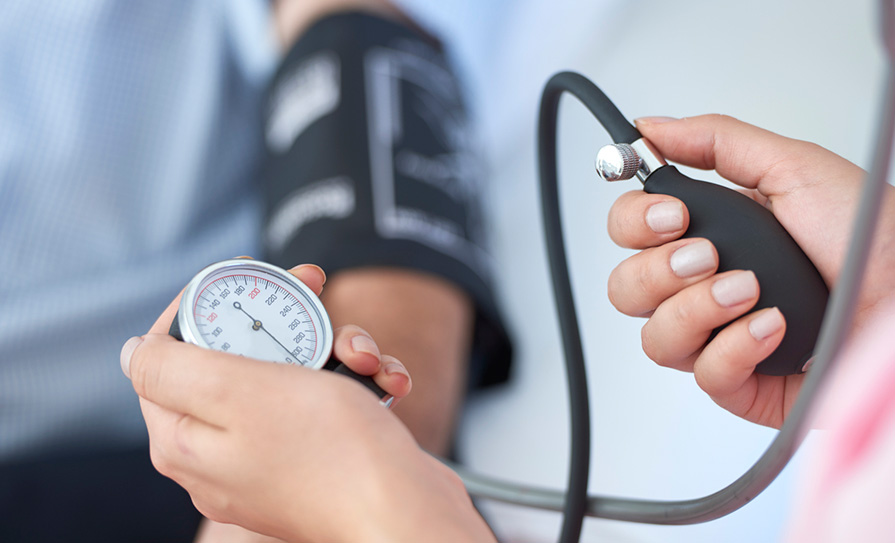
Checking your blood pressure is fast and painless—and can literally save your life.
Most people get their BP checked at the doctor’s office, but you can also monitor it at home with an automatic cuff. It’s important to take multiple readings over several days to get an accurate picture.
Pro tip: Your blood pressure can spike due to stress, coffee, or even “white coat syndrome” (nervousness at the doctor). That’s why repeat readings matter.
Your doctor may also order blood tests, urine tests, or an ECG to check for related issues, especially if your readings are consistently high.
🧰 How to Lower and Manage High Blood Pressure
Whether you’re newly diagnosed or just trying to prevent future problems, there are plenty of evidence-backed strategies to get your numbers in a healthier range.
1. Eat a Heart-Healthy Diet
Go for foods that naturally lower blood pressure—like those in the DASH diet (Dietary Approaches to Stop Hypertension):
- Fresh fruits and vegetables
- Whole grains
- Low-fat dairy
- Lean proteins (chicken, fish, beans)
- Foods rich in potassium, magnesium, and fiber
- Limit sodium (aim for under 1,500–2,300 mg/day)
Avoid: Processed foods, fried foods, excess sugar, and saturated fats.
2. Get Moving
Regular exercise strengthens your heart and lowers pressure on the arteries.
- Aim for 30 minutes a day, 5 days a week
- Try walking, cycling, swimming, or even dancing
- Add strength training 2–3 times a week
3. Lose Extra Weight
Even losing 5–10 pounds can significantly reduce blood pressure.
4. Cut Back on Sodium

Salt sneaks into almost everything. Check nutrition labels and watch out for processed or packaged foods.
5. Limit Alcohol & Quit Smoking
Too much booze raises blood pressure—and smoking damages your arteries, making things worse.
- Stick to 1 drink/day for women, 2 for men
- If you smoke, talk to your doctor about quitting options
6. Manage Stress
Chronic stress can wreak havoc on your heart.
- Try mindfulness, meditation, deep breathing
- Take breaks, set boundaries, and prioritize sleep
- Do things that bring joy and calm (reading, music, hobbies)
7. Get Good Sleep
Aim for 7–8 hours per night. Poor sleep can increase your blood pressure and stress levels.
8. Medication (If Needed)

If lifestyle changes aren’t enough, your doctor may prescribe medication. These include:
- Diuretics (help remove excess sodium/water)
- ACE inhibitors
- Beta-blockers
- Calcium channel blockers
- ARBs (angiotensin receptor blockers)
Always take your meds exactly as prescribed—and never stop without talking to your doctor.
🔄 Monitoring Your Blood Pressure at Home
Home monitoring is a great way to stay on top of your numbers—especially if you’re managing hypertension or making lifestyle changes.
✔️ Tips for Accurate Readings:
- Use a digital, upper-arm cuff monitor
- Sit in a chair with feet flat on the floor
- Rest for 5 minutes before taking your reading
- Avoid caffeine, exercise, or smoking 30 minutes beforehand
- Take it at the same time daily
Keep a log and share it with your doctor.
Table of Contents
🧠 FAQs About High Blood Pressure
Q: Can I feel when my blood pressure is high?
A: Usually not—that’s why it’s called the “silent killer.” Most people don’t have symptoms until serious complications develop.
Q: How often should I get it checked?
A: If you’re over 40 or at risk, get it checked at least once a year. More frequently if you’ve been diagnosed or are on medication.
Q: Can stress alone cause high blood pressure?
A: While stress can raise blood pressure temporarily, chronic stress paired with unhealthy coping habits (like smoking or overeating) can contribute to long-term hypertension.
Q: Is high blood pressure reversible?
A: It depends. Some people can bring it down with lifestyle changes alone. Others may need medication long-term. But it’s always manageable.
Q: Can young people get high blood pressure?
A: Yes—especially with poor diet, lack of exercise, high stress, or obesity. It’s no longer just an “older adult” issue.
🧭 Final Thoughts: Take the Pressure Off—Literally
Here’s the bottom line: High blood pressure is incredibly common, but also highly manageable. It doesn’t mean your body is broken or that you’re headed for disaster—it just means it’s time to pay attention.
The key is catching it early, making smart changes, and taking it seriously without panicking. With the right tools, habits, and support, you can protect your heart, your brain, and your overall health.
Take it one step at a time. Whether you start by eating more veggies, walking a bit more, or checking your numbers regularly—you’re already moving in the right direction.
Your heart works hard for you every day. Give it the care it deserves.